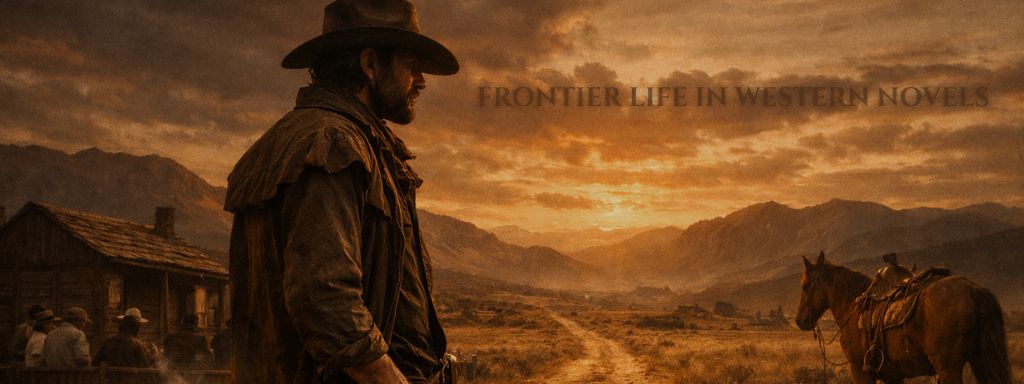
Frontier life in western novels is not just a setting choice. It defines how stories unfold, how characters think, and what kind of conflicts emerge. The American frontier was marked by uncertainty, distance, and the need to survive, and these qualities naturally influence the stories set there. When writers capture this environment well, their stories feel real and believable instead of artificial.
In western fiction, the land, daily risks, and limitations all influence character choices and create tension in the story. These elements give the genre its unique tone.
How Frontier Life Shapes Characters In Western Novels
Frontier life in western novels strongly shapes how characters develop. Living on the frontier meant people had to adapt. They were often far from law, support, or easy communication. Because of this, characters are formed by what they need to survive, not by comfort.
In books like Logan by Austin Thomas, this comes through in how characters respond to uncertainty. They do not act on impulse or idealism. Their behavior reflects:
- Make decisions based on survival rather than long-term planning
- Rely on personal judgment instead of formal authority
- Develop resilience through repeated hardship
This setting produces people who are practical, observant, and usually cautious. Their personalities develop through constant contact with risk and limits, not in isolation.
In well-written Western stories, characters do not act in modern ways or seem separate from their surroundings. Their thoughts and actions match the world they live in. This connection is a big reason why some stories feel more real than others.
How Frontier Life Shapes Character Decisions In Western Novels
On the frontier, decisions are usually made quickly and based on the situation. There is not much time to think or get advice from others. This directly affects how the story moves forward.
When considering how frontier life shapes character decisions in Western novels, it becomes clear that:
- Choices are often influenced by scarcity of resources
- Delays in communication increase uncertainty
- Personal safety and reputation carry long-term consequences
For example, when a character chooses whether to trust a stranger or take a dangerous path, it is not just about advancing the plot. That choice shows the ongoing pressure of the frontier setting.
These decisions feel believable because they come from realistic constraints. As discussed in the previous blog, authenticity in western historical fiction often depends on how well these small, consistent details are handled.
Types of Conflict In Frontier-Based Novels
Conflict in Western stories comes naturally from frontier life. There is no need to exaggerate it, since the setting already creates enough tension.
The most common types of conflict in frontier-based novels include:
1. Survival conflict
This type of conflict is at the heart of many Western stories. Harsh weather, scarce food, and tough land put characters under constant stress. Survival conflict is not only physical; it also affects how characters feel and think.
2. Social conflict
Small communities often have strict social rules and hierarchies. Arguments can get out of hand quickly because there are not many formal ways to solve them.
3. Moral conflict
With little formal authority, characters often have to make tough moral choices by themselves. What is right is not always obvious, especially when survival is involved.
4. Environmental conflict
The land itself is a constant challenge. Drought, isolation, and changing conditions keep creating new problems for the characters.
These different types of conflict help books like Logan feel real. They come from believable situations, not from forced plot twists.
How Danger and Isolation Drive Storytelling In Western Novels
Danger and isolation are key parts of frontier life in western novels. They affect the story’s pace, tension, and structure.
Isolation means help is hard to find. Characters cannot count on quick fixes. This leads to situations where:
- Problems must be solved internally
- Mistakes carry heavier consequences
- Relationships become more intense due to proximity and dependence
Danger, meanwhile, keeps the story moving forward. It is not always about violence. Sometimes it is the risk of getting lost, running out of supplies, or facing unknown places.
When you look at how danger and isolation shape western stories, you see that tension often comes from waiting and worrying, not just from action. Readers stay interested because the risks are always there, even during calm scenes.
The Role of Survival Conflict In Western Storytelling
Survival is more than just one kind of conflict. It is often the base of the whole story. Survival struggles are closely tied to how characters grow and how the plot moves forward.
Characters are constantly negotiating:
- What they can afford to risk
- Who they can trust
- How far they are willing to go to endure
This constant pressure makes the story feel real. It shows what life was like on the frontier, where things were rarely stable, and uncertainty was normal.
In good Western novels, survival is not just added for drama. It is part of daily life, and that steady focus makes the story believable.
How Frontier Life Influences Storytelling Structure
Frontier settings also affect how stories are told. The pace often matches the slow rhythm of travel, work, and waiting. Events are spread out by distance and time, giving the story a natural flow.
Storytelling in this genre often includes:
- Gradual build-up of tension rather than sudden twists
- Moments of stillness that reflect isolation
- Character-driven progression instead of fast external action
This way of telling the story lets readers feel like they are part of the world, not just watching it. It also helps them connect more deeply with the characters and their choices.
Why Frontier Realism Matters To Readers
People who read Western historical fiction usually expect the story to feel real. They want to believe the events could have happened in that time period.
Frontier life in western novels gives the story a realistic base. When writers handle it well, it:
- Strengthens immersion
- Adds weight to character choices
- Makes conflict feel earned rather than forced
Realism also helps readers connect with the historical setting. It lets modern audiences see the real limits and challenges of the past without making them seem too simple.
Final thoughts
Frontier life in western novels influences every part of the story, from how characters act to the conflicts they face. It is not just a backdrop; it is what pushes the story ahead.
When writers understand how the setting, isolation, and survival shape people, their stories feel more real. Characters have clear reasons for what they do, conflicts make sense, and the story unfolds in a believable way.
So, Western fiction does not depend on over-the-top drama. Its power comes from realism, where every choice, challenge, and result shows what frontier life was really like.